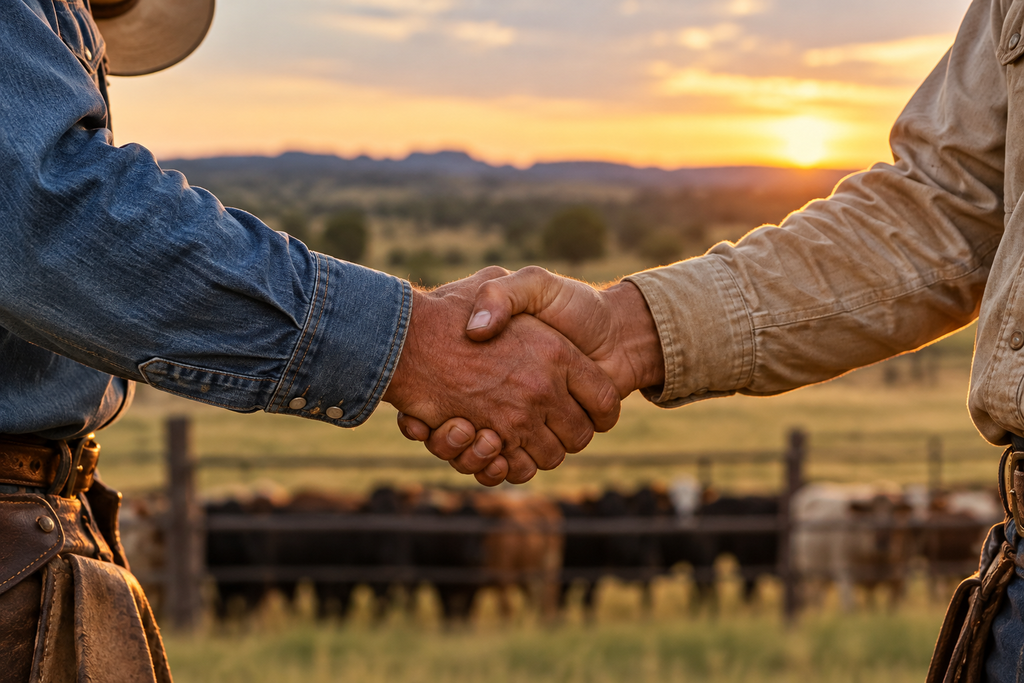
There’s an old saying that you make your money when you buy, not when you sell. Nowhere is that more true than with ranch land.
A pretty piece of country can make a man forget to ask some important questions. Rolling hills, big oak trees, a nice set of working pens, and a sunset over the back pasture can make just about any ranch look like a good investment.
But a ranch isn’t worth much if it won’t do what you bought it to do.
Before you make an offer on a Texas ranch, here are seven things worth looking into.
1. Water: The Most Important Improvement You Can’t Afford to Overlook
You can build fences, clear brush, and improve pastures. But without dependable water, your options are limited.
A water well is only as good as the water it produces. Ask about its depth, production, age, and history. A well that supplies a house may not support a hundred head of cattle.
If there is not a well do some research on wells in the area and available aquifers, depth, water quality, etc.
If the property has stock tanks, creeks, or springs, find out how dependable they are. A spring that runs in April may be dry by August.
Look at the distribution system, too. A ranch with plenty of water in one pasture and none in another can create a lot of unnecessary work.
And don’t confuse a creek running through a property with an unrestricted right to use its water.
2. Access: Can You Get Where You Need to Go?
A ranch may have a beautiful entrance and still have terrible access.
Can you get a loaded cattle trailer through the gates? Can a feed truck reach the pens? What happens to the roads after three inches of rain?
More importantly, does the property have legal access?
A deeded easement, a county-maintained road, and an informal agreement with a neighbor are three very different things.
Make sure the access works legally and practically before you buy.
3. Fencing: Look Beyond the Front Gate
Good fences cost money. Bad fences cost money, time, livestock, and sometimes good neighbors.
Walk the fence lines if possible. Look at corner braces, gates, posts, wire condition, and how the fences follow the terrain.
A ranch advertised as completely fenced may still need considerable work before it’s ready for cattle.
And if you intend to run horses, sheep, goats, or other livestock, fencing that’s adequate for cattle may not be adequate for your operation.
Get a realistic estimate of what needs replacing
Are the fence lines on the boundary?
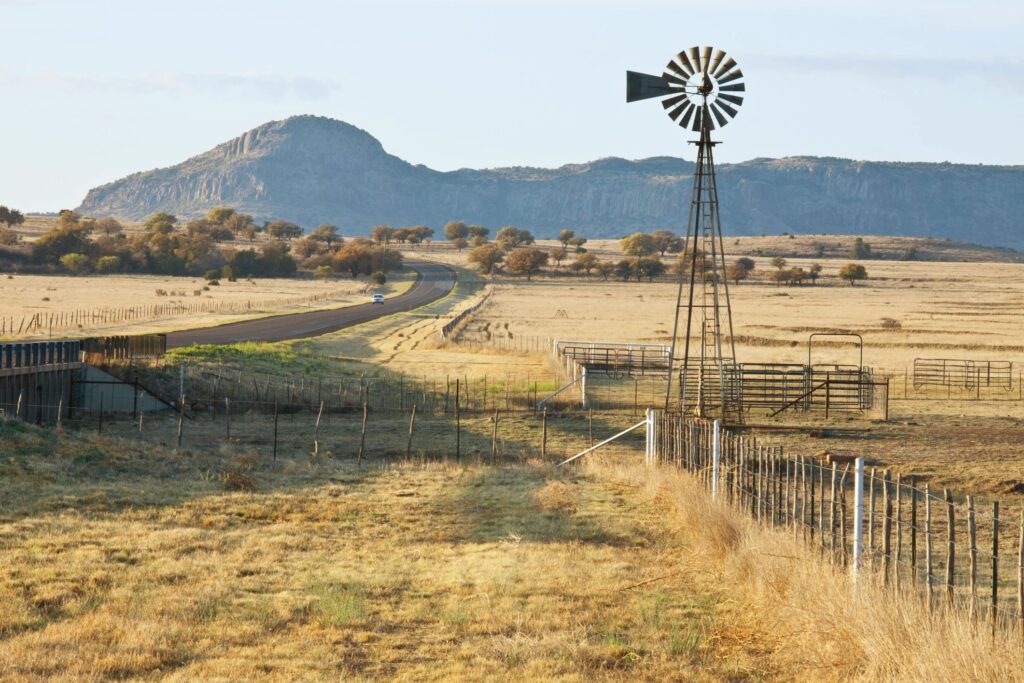
4. Grazing Capacity: Acreage Doesn’t Tell the Whole Story
A thousand acres is a thousand acres on paper. That doesn’t mean every thousand-acre ranch can support the same number of cattle.
Soil, rainfall, terrain, brush density, forage quality, and pasture management all affect carrying capacity.
A ranch with a lot of steep, rocky country may offer excellent hunting and recreation but relatively little productive grazing.
Ask about historical stocking rates, but don’t take them as gospel. Just because somebody ran a hundred cows on a place doesn’t mean the country could support them.
Look at the grass. Look at the brush. Look at the soil. And consider what the ranch will do during a dry year, not just a wet one.
5. Agricultural Valuation: Know What You’re Inheriting
Texas agricultural valuation can substantially reduce property taxes on qualifying land.
But don’t assume the current tax bill will remain the same after you purchase.
Find out what valuation the property currently carries, what activities support it, and what you’ll need to do to maintain and “qualify” for eligibility.
Changing the use of the land can create additional tax consequences, including rollback taxes in certain situations.
Check with the county appraisal district before closing. A little homework now can prevent an unpleasant surprise later.
6. Restrictions, Minerals, and Easements: Know What You Actually Own
Buying land doesn’t necessarily mean you own every right associated with it.
Mineral interests may have been severed years ago. Utility easements may cross the property. Conservation easements, deed restrictions, or other agreements may limit what you can build or how the land can be used.
If you intend to subdivide, build a commercial operation, develop a hunting business, or construct additional improvements, make sure those plans are legally possible.
Have the title commitment, survey, and relevant documents reviewed by qualified professionals. When questions involve legal rights, get advice from a Texas real estate attorney.
Don’t wait until after closing to discover that somebody else has rights you didn’t know about.
7. Improvements: Buy What Works, Not What Looks Good
Barns, working pens, water systems, roads, and houses can add considerable value to a ranch.
They can also become expensive liabilities.
Look at the condition of the working facilities. Are the pens laid out so cattle can be handled efficiently? Can a truck and trailer get to the loading chute? Are the barns useful for your operation?
Pay attention to the things that don’t photograph well: electrical systems, plumbing, water lines, drainage, foundations, and maintenance.
A fancy barn doesn’t do you much good if it doesn’t serve your needs.
The Right Ranch Is the One That Works for You
There’s nothing wrong with buying a ranch because you love the country. That’s part of what makes owning land worthwhile.
But the prettiest ranch isn’t necessarily the best ranch.
A good purchase starts with understanding what you want the land to do, what it can realistically do, and what it will cost to make those two things meet.
That’s where experience matters.
At The Ranch Broker, we approach land from the perspective of people who understand ranching, livestock, horses, and the work involved in maintaining rural property.
Whether you’re looking for a cattle ranch, horse property, hunting land, or a place to settle down, we’d be glad to help you find something that fits.
Explore Texas Ranches and Land by County
Burnet County Ranches for Sale
Lampasas County Ranches for Sale
Blanco County Ranches for Sale
San Saba County Ranches for Sale
Travis County Ranches for Sale
Looking for land or a ranch in Texas?
Browse Texas Land & Ranch Listings
Or complete our Buyer Property Request form on the Property Search page and tell us what you’re looking for.
The Ranch Broker
Land. Ranches. Experience.
Lem Lewis
210-275-3551
lem@theranchbroker.com

Leave a Reply