Author: 889974pwpadmin

  • Buying a Ranch in Texas: 7 Things to Check Before Making an Offer

    There’s an old saying that you make your money when you buy, not when you sell. Nowhere is that more true than with ranch land.

    A pretty piece of country can make a man forget to ask some important questions. Rolling hills, big oak trees, a nice set of working pens, and a sunset over the back pasture can make just about any ranch look like a good investment.

    But a ranch isn’t worth much if it won’t do what you bought it to do.

    Before you make an offer on a Texas ranch, here are seven things worth looking into.

    1. Water: The Most Important Improvement You Can’t Afford to Overlook

    You can build fences, clear brush, and improve pastures. But without dependable water, your options are limited.

    A water well is only as good as the water it produces. Ask about its depth, production, age, and history. A well that supplies a house may not support a hundred head of cattle.

    If there is not a well do some research on wells in the area and available aquifers, depth, water quality, etc.

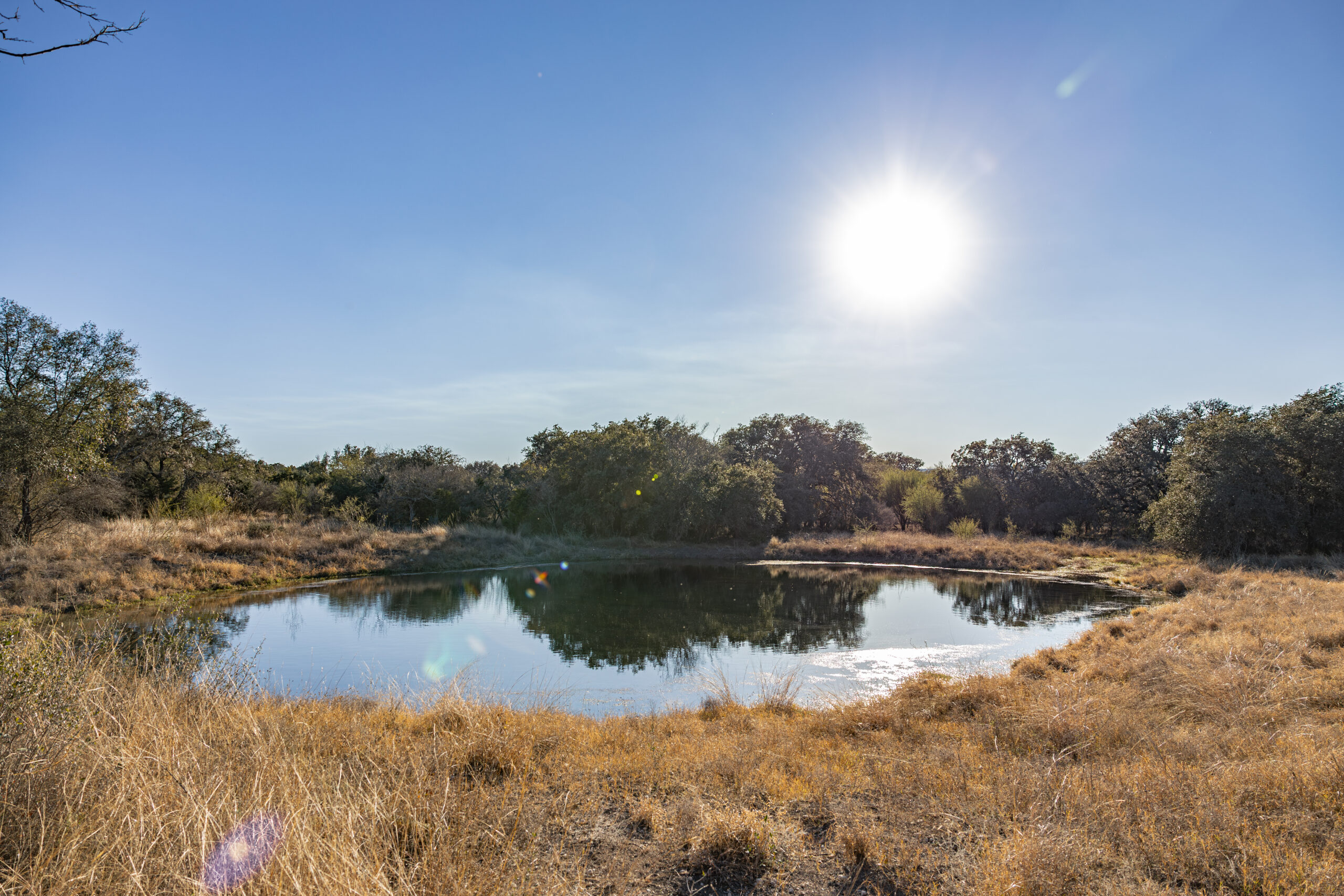
    If the property has stock tanks, creeks, or springs, find out how dependable they are. A spring that runs in April may be dry by August.

    Look at the distribution system, too. A ranch with plenty of water in one pasture and none in another can create a lot of unnecessary work.

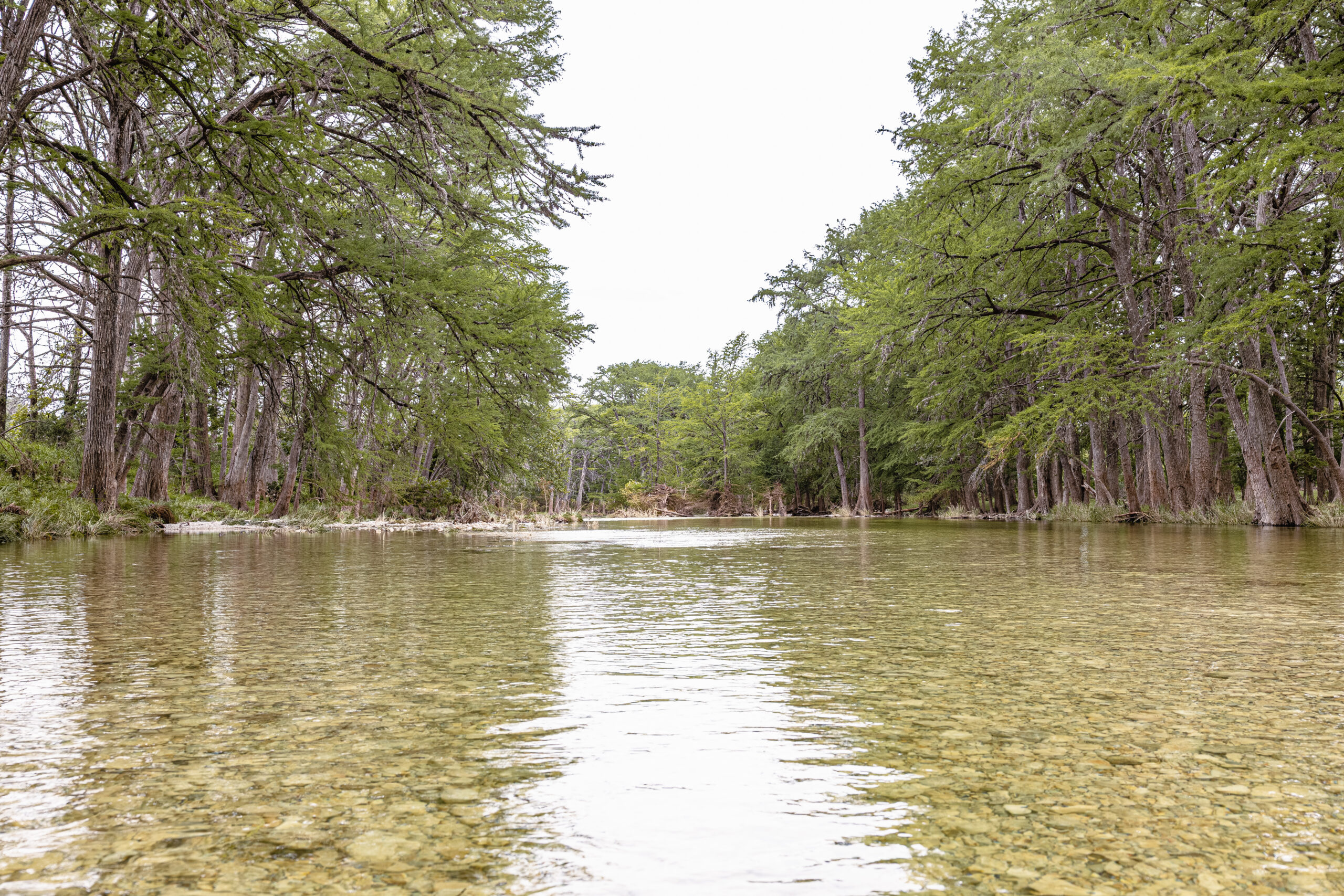
    And don’t confuse a creek running through a property with an unrestricted right to use its water.

    2. Access: Can You Get Where You Need to Go?

    A ranch may have a beautiful entrance and still have terrible access.

    Can you get a loaded cattle trailer through the gates? Can a feed truck reach the pens? What happens to the roads after three inches of rain?

    More importantly, does the property have legal access?

    A deeded easement, a county-maintained road, and an informal agreement with a neighbor are three very different things.

    Make sure the access works legally and practically before you buy.

    3. Fencing: Look Beyond the Front Gate

    Good fences cost money. Bad fences cost money, time, livestock, and sometimes good neighbors.

    Walk the fence lines if possible. Look at corner braces, gates, posts, wire condition, and how the fences follow the terrain.

    A ranch advertised as completely fenced may still need considerable work before it’s ready for cattle.

    And if you intend to run horses, sheep, goats, or other livestock, fencing that’s adequate for cattle may not be adequate for your operation.

    Get a realistic estimate of what needs replacing

    Are the fence lines on the boundary?
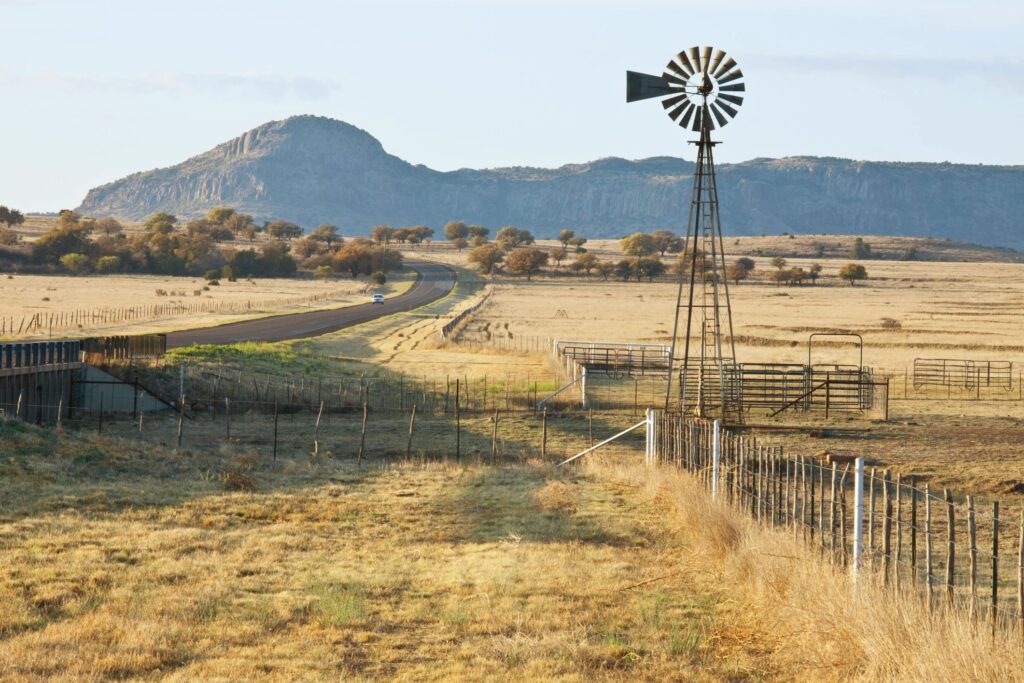
    Texas ranch buyer

    4. Grazing Capacity: Acreage Doesn’t Tell the Whole Story

    A thousand acres is a thousand acres on paper. That doesn’t mean every thousand-acre ranch can support the same number of cattle.

    Soil, rainfall, terrain, brush density, forage quality, and pasture management all affect carrying capacity.

    A ranch with a lot of steep, rocky country may offer excellent hunting and recreation but relatively little productive grazing.

    Ask about historical stocking rates, but don’t take them as gospel. Just because somebody ran a hundred cows on a place doesn’t mean the country could support them.

    Look at the grass. Look at the brush. Look at the soil. And consider what the ranch will do during a dry year, not just a wet one.

    5. Agricultural Valuation: Know What You’re Inheriting

    Texas agricultural valuation can substantially reduce property taxes on qualifying land.

    But don’t assume the current tax bill will remain the same after you purchase.

    Find out what valuation the property currently carries, what activities support it, and what you’ll need to do to maintain and “qualify” for eligibility.

    Changing the use of the land can create additional tax consequences, including rollback taxes in certain situations.

    Check with the county appraisal district before closing. A little homework now can prevent an unpleasant surprise later.

    6. Restrictions, Minerals, and Easements: Know What You Actually Own

    Buying land doesn’t necessarily mean you own every right associated with it.

    Mineral interests may have been severed years ago. Utility easements may cross the property. Conservation easements, deed restrictions, or other agreements may limit what you can build or how the land can be used.

    If you intend to subdivide, build a commercial operation, develop a hunting business, or construct additional improvements, make sure those plans are legally possible.

    Have the title commitment, survey, and relevant documents reviewed by qualified professionals. When questions involve legal rights, get advice from a Texas real estate attorney.

    Don’t wait until after closing to discover that somebody else has rights you didn’t know about.

    7. Improvements: Buy What Works, Not What Looks Good

    Barns, working pens, water systems, roads, and houses can add considerable value to a ranch.

    They can also become expensive liabilities.

    Look at the condition of the working facilities. Are the pens laid out so cattle can be handled efficiently? Can a truck and trailer get to the loading chute? Are the barns useful for your operation?

    Pay attention to the things that don’t photograph well: electrical systems, plumbing, water lines, drainage, foundations, and maintenance.

    A fancy barn doesn’t do you much good if it doesn’t serve your needs.

    The Right Ranch Is the One That Works for You

    There’s nothing wrong with buying a ranch because you love the country. That’s part of what makes owning land worthwhile.

    But the prettiest ranch isn’t necessarily the best ranch.

    A good purchase starts with understanding what you want the land to do, what it can realistically do, and what it will cost to make those two things meet.

    That’s where experience matters.

    At The Ranch Broker, we approach land from the perspective of people who understand ranching, livestock, horses, and the work involved in maintaining rural property.

    Whether you’re looking for a cattle ranch, horse property, hunting land, or a place to settle down, we’d be glad to help you find something that fits.

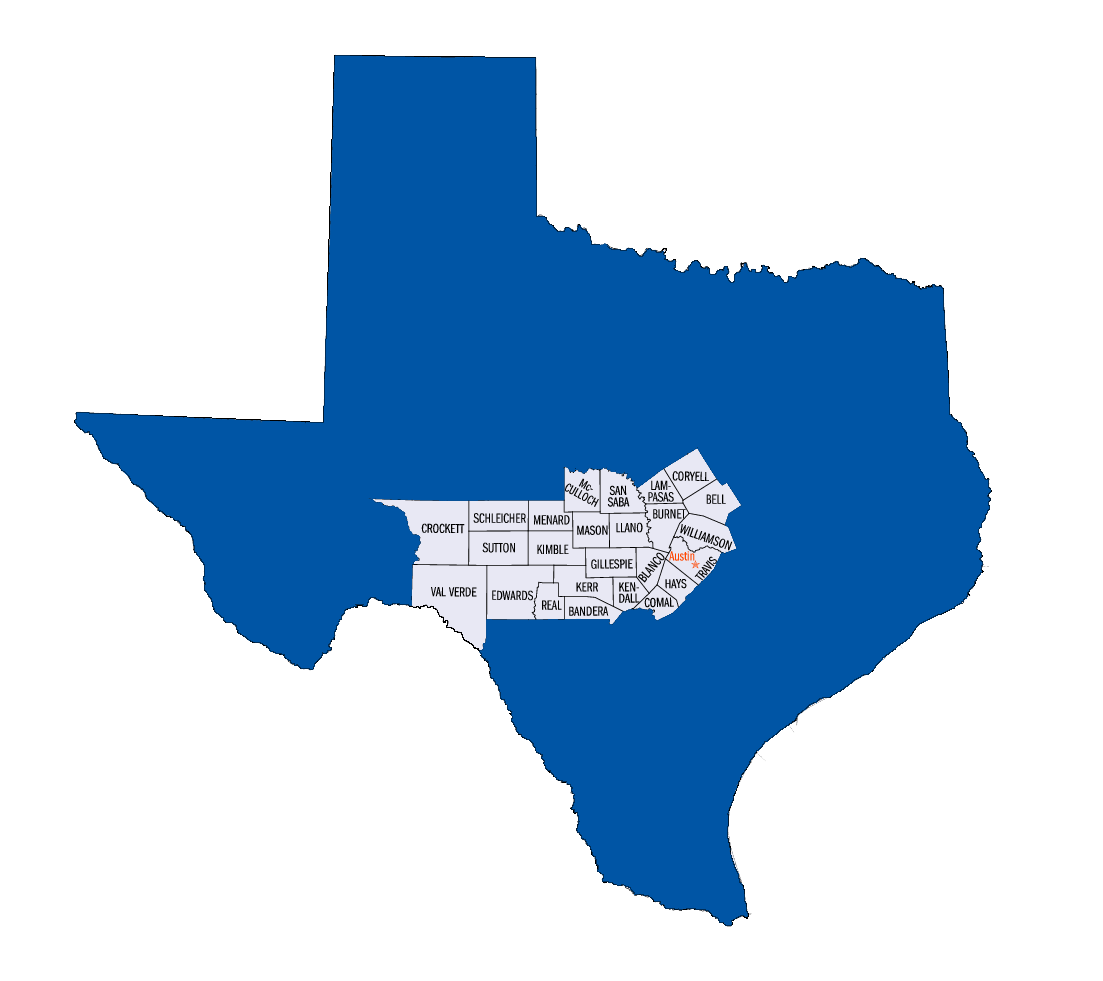
    Explore Texas Ranches and Land by County

    Burnet County Ranches for Sale

    Llano County Ranches for Sale

    Lampasas County Ranches for Sale

    Blanco County Ranches for Sale

    San Saba County Ranches for Sale

    Travis County Ranches for Sale

    Looking for land or a ranch in Texas?

    Browse Texas Land & Ranch Listings

    Or complete our Buyer Property Request form on the Property Search page and tell us what you’re looking for.
    The Ranch Broker

    Land. Ranches. Experience.

    Lem Lewis

    210-275-3551

    lem@theranchbroker.com
  • The Texas Land & Ranch Market in 2026

    If you’re buying or selling Texas land in 2026, the market is telling us something important: Texas land is still valuable, but buyers are becoming more selective.

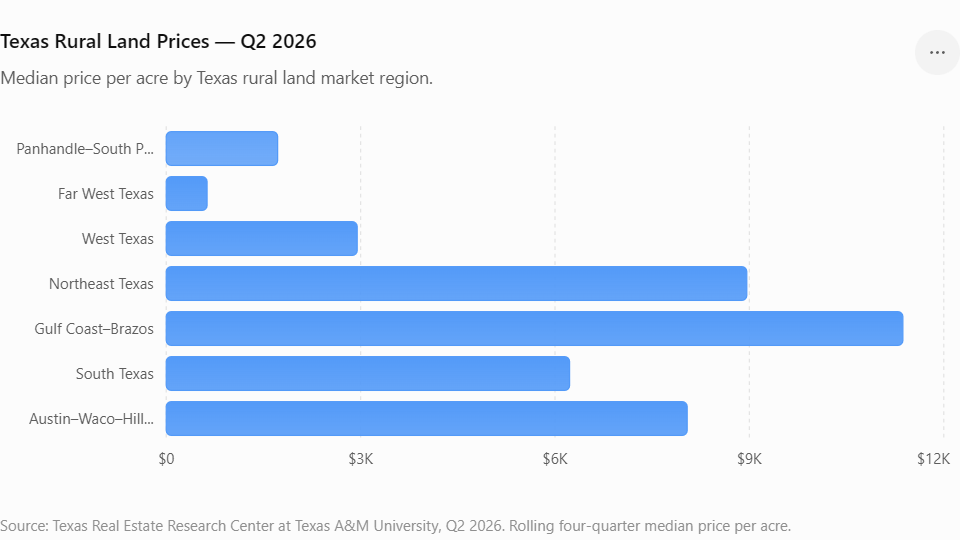
    According to the Texas Real Estate Research Center at Texas A&M University, the statewide rural land price reached $5,218 per acre in the second quarter of 2026, essentially unchanged from the previous quarter but 3.27% higher than the same period last year.

    That stability is notable. After several years of extraordinary appreciation, the Texas land market appears to be settling into a more mature phase.

    But statewide averages can be misleading. Texas is simply too large and diverse to have one land market.

    The Austin–Waco–Hill Country region, which includes much of the Central Texas ranch market, reached $8,040 per acre in Q2, an 8.63% year-over-year increase. Sales increased 2.61%, while total acres sold increased 2.92%. Total dollar volume rose 11.81% to approximately $425 million.

    That’s a considerably different story from some other parts of Texas.

    South Texas also showed improving activity, with sales increasing more than 26% year over year and acreage sold increasing nearly 7%. Meanwhile, the Panhandle–South Plains region experienced a 7.53% decline in price per acre.

    One of the most important numbers for landowners, however, may not be price.

    Total acres sold statewide fell 12.57% year over year in Q2. Total dollar volume fell 9.72%. At the same time, the number of reported transactions increased 4.34%.

    In other words, more transactions are occurring, but the properties changing hands are generally smaller.

    That tells us something about today’s buyer: there is demand, but buyers are paying close attention to what they’re getting for their money.

    For ranch buyers, factors such as water, improvements, fencing, access, wildlife, hunting potential, agricultural production, development potential and proximity to growing communities can make an enormous difference in value.

    For sellers, this means pricing a ranch correctly matters.

    The Texas Real Estate Research Center describes the current market as a “standoff” between buyers and sellers. Some owners remain comfortable waiting for their price, while some buyers are waiting for better buying conditions.

    That creates an interesting opportunity for well-prepared properties.

    The Texas land market isn’t dead. It’s becoming more selective.

    A great ranch with the right combination of location, water, improvements and land characteristics can still attract serious buyers. But today’s buyer is much more likely to compare properties carefully and negotiate based on actual value.

    For Texas landowners considering selling, the question isn’t simply, “What is my neighbor asking?”

    The better question is:

    “What is my property actually worth in today’s market, and what can we do to present that value to the right buyer?”

    At The Ranch Broker, that’s where local knowledge, careful market analysis and an understanding of Texas land come together.

    Because when you’re selling a Texas ranch, you’re not selling just acres.

    You’re selling the opportunity to own a piece of Texas.

    Lem Lewis

    210-275-3551

    lem@theranchbroker.com
  • What Ranch Sellers Need To Know

    How to Sell Your Ranch in Central Texas

    Selling a ranch in Central Texas is different from selling a house in town. Buyers aren’t just purchasing land—they’re investing in a lifestyle, a business opportunity, a recreation property, or a legacy. The way a ranch is presented can have a major impact on both the selling price and the time it spends on the market.

    The first step is understanding what makes your property valuable. Factors such as water resources, road frontage, wildlife habitat, grazing capacity, fencing, improvements, and proximity to growing communities all influence a ranch’s appeal. In today’s market, many buyers are looking for a combination of recreation, privacy, and long-term investment potential.


    Before listing, gather important documents such as surveys, tax information, grazing leases, wildlife management plans, and records of improvements. Having this information organized helps buyers gain confidence and can speed up the sales process.

    Professional photography and video have become essential tools for ranch marketing. Aerial imagery can showcase the property’s layout, water features, topography, and overall beauty in ways that traditional photos cannot. Buyers often begin their search online, making first impressions more important than ever.


    Pricing the ranch correctly is equally important. Overpricing can cause a property to sit on the market and become stale, while underpricing may leave money on the table. A broker experienced in ranch land sales can help evaluate comparable sales, current market conditions, and the unique features that set your property apart.

    Marketing should extend beyond local advertising. Today’s ranch buyers may come from other parts of Texas or from across the country. A comprehensive marketing strategy that includes online listings, social media, email campaigns, video tours, and industry connections can dramatically increase exposure.


    Finally, be prepared for buyer due diligence. Questions about water, minerals, easements, taxes, access, and land use are common. Sellers who are transparent and responsive throughout the process often experience smoother transactions.

    Central Texas remains one of the most desirable regions in the country for ranch ownership. With proper preparation, professional marketing, and knowledgeable representation, selling your ranch can be a rewarding process that helps you maximize the value of your investment.


    Whether you’re selling a family ranch that’s been held for generations or an investment property you’ve owned for years, taking the time to prepare and market the property correctly can make all the difference.


    If you’re looking to sell a ranch or ranch land for sale in The Texas Hill County, don’t just think acreage. Buy legacy.

    Lem Lewis

    210-275-3551

    lem@theranchbroker.com
  • Understanding 1-d-1 Ag Valuation and Wildlife Valuation in the Texas Hill Country

    What Serious Buyers Need To Know

    What is 1-d-1 Open Space Valuation?

    Under Texas law, qualifying land is taxed based on its productivity value—not market value. Texas Comptroller of Public Accounts explains that this means land is appraised on its ability to produce agricultural goods like cattle, hay, or crops, which is typically far lower than what the land would sell for on the open market. (Texas Comptroller)

    To qualify, land must generally:

    • Be used for agriculture 5 of the past 7 years
    • Meet local “intensity standards” (stocking rates, production levels, etc.) (LegalClarity)

    In the Hill Country, that usually means:

    • cattle grazing
    • hay production
    • goat or sheep operations

    This valuation keeps many ranches financially viable—without it, taxes could exceed what the land produces.


    What is Wildlife Valuation?

    Wildlife valuation is not a separate exemption—it’s actually a type of 1-d-1 valuation.

    In 1995, Texas passed a constitutional amendment allowing landowners to switch from traditional ag use to wildlife management while keeping the same tax benefits. (wildlifetaxvaluation.com)

    To qualify, the land must already be under 1-d-1 ag valuation before converting. (Texas Parks & Wildlife Department)

    Instead of running livestock, the landowner manages for native species like:

    • whitetail deer
    • turkey
    • quail

    2. Why It Matters in the Hill Country

    In places like Burnet, Lampasas, and San Saba counties, land values have climbed sharply. Without 1-d-1 valuation, taxes would be based on full market value—which can be unsustainable.

    This system:

    • keeps ranch land from being forced into development
    • encourages responsible land stewardship
    • allows smaller landowners to hold property long-term

    As Texas Parks and Wildlife Department notes, wildlife valuation also helps preserve habitat and native species while maintaining tax relief. (Texas Parks & Wildlife Department)


    What Does “Wildlife Management” Require?

    This is where many people get tripped up—it’s not passive.

    Landowners must actively perform at least 3 of 7 approved practices, including:

    You’ll also need a written wildlife management plan filed with your county appraisal district.


    Bottom Line

    1-d-1 valuation—whether through traditional agriculture or wildlife management—is one of the most important tools for landowners in the Texas Hill Country.

    But it comes with responsibility:

    • you must meet usage requirements
    • document your practices
    • and stay consistent year after year

    Done right, it allows you to hold land, improve it, and pass it on—without being taxed out of it.


    If you’re looking at ranch land for sale in The Texas Hill County, don’t just buy acreage. Buy usability.

    Lem Lewis

    210-275-3551

    lem@theranchbroker.com

  • Bob Fudge – The Kind of Man the Country Makes

    Bob Fudge – The Kind of Man the Country Makes

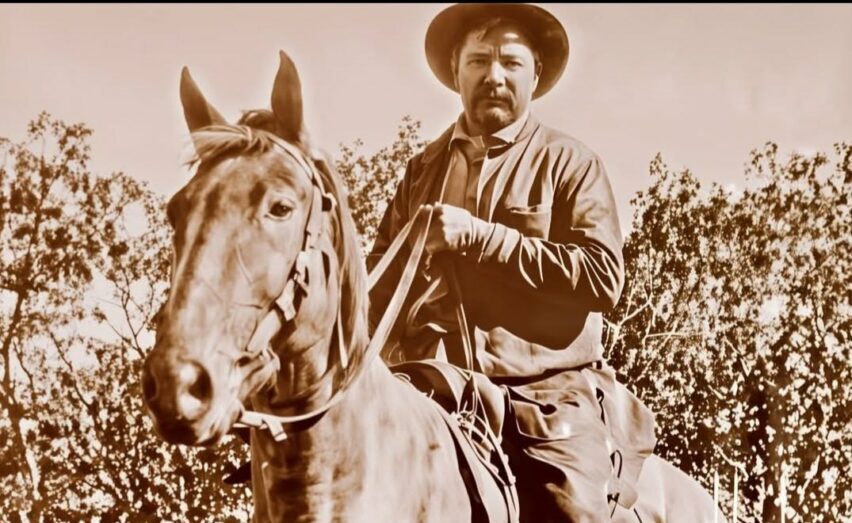
    Bob Fudge came into the world in 1862 in Lampasas County, right when Texas was still more frontier than state. The war was on, the land was unsettled, and survival wasn’t guaranteed—it was negotiated day by day.

    His early years weren’t just difficult—they were defining.

    When his family struck west with cattle and horses, chasing opportunity the way so many did, they ran straight into the reality of that country. A Comanche raid stripped them down hard. Livestock gone. Security gone. And not long after, sickness worked through what was left of the family.

    A boy doesn’t come out of that untouched.

    He learns early that nothing is promised—not land, not cattle, not even tomorrow.


    A Young Hand on a Long Trail

    By fifteen, Fudge was already hired on—no easing into it, no childhood to speak of. Just work.

    From the Hill Country, he rode north with trail herds. Not once, but again and again. That meant months in the saddle, pushing longhorns through country that changed mile by mile—cedar breaks giving way to open plains, then climbing into colder, harsher ground.

    This wasn’t the kind of work a man talked about much. You just did it.

    • Night herd under lightning storms
    • Stampedes that could wipe out a season in minutes
    • Rivers that took cattle and sometimes men

    And somewhere along those drives, he grew into himself—big, steady, and dependable. The kind of man an outfit leaned on without saying it out loud.


    From Texas to Montana – One Long Line of Dust

    Fudge didn’t just ride out of Texas—he rode all the way into the northern ranges.

    That trail—Texas to Montana—wasn’t just distance. It was transformation.

    A boy from Lampasas became a man shaped by:

    • the Llano uplift and cedar hills
    • the open plains of the Panhandle
    • the wide sky and hard winters of Montana

    He eventually worked with big northern outfits, including cattle tied to the XIT Ranch. That meant scale—huge herds, bigger country, and responsibility that went beyond just staying on your horse.

    By then, he wasn’t just along for the drive.

    He was part of what held it together.


    The Man Behind the Myth

    Physically, Fudge stood out—over six feet tall and heavy-set for the time. But that’s not what mattered most.

    What mattered was steadiness.

    Men remembered cowboys for one thing above all else:
    Could you count on them when things went sideways?

    And on a cattle drive, things always did.

    That’s where a man’s real story is told—not in gunfights or tall tales, but in whether he stayed when it got bad.

    Fudge stayed.


    Where the Song Comes In

    Bob Fudge by Colter Wall doesn’t try to turn him into something flashy. It leans into something quieter—and truer.

    The song carries the weight of distance. You can hear it in the way it moves—slow, steady, like a string of cattle strung out across country.

    It touches on the essentials:

    • a man riding north out of Texas
    • long miles behind him
    • a life built more on endurance than glory

    Wall has a way of writing that feels like it came from the ground up, not from a stage. His voice carries gravel in it, the same way a trail carries dust.

    And that fits Fudge.

    Because Fudge wasn’t a legend in the way dime novels made legends.

    He was something better—
    a working cowboy whose life was big enough that it didn’t need exaggeration.


    A Shared Truth Between Man and Music

    What ties Fudge and that song together isn’t just subject matter.

    It’s perspective.

    Neither one tries to convince you of anything. They don’t shout. They don’t decorate the truth.

    They just lay it out:

    • Life is hard
    • The work is long
    • And a man’s worth shows up in whether he keeps going

    There’s a line running through both the history and the music—a respect for the kind of life that doesn’t ask for recognition.


    Closing: What Still Rides On

    If you stand out in Lampasas County today, you won’t see the long trails the way they were. Fences cut things up. Roads cross where cattle once drifted.

    But the shape of the country is still there.

    And so is the kind of man it makes.

    Bob Fudge was one of them—a boy who lost early, worked young, and rode far enough that his story stretched clear out of Texas.

    Colter Wall just gave that kind of life a voice again.

    Not louder.

    Just clear enough that if you listen close, you can still hear the rhythm of it—

    Horse steps.
    Wind.
    And a man riding on because that’s what the day calls for.

    The book Bob Fudge: Texas Trail Driver, Montana — Wyoming Cowboy 1862 – 1933 is available from Four Horsemen LLC, bobfudge.com

    Lem Lewis

    210-275-3551

    lem@theranchbroker.com
  • Buying a Ranch in Burnet County, Texas

    What Serious Buyers Need To Know

    1. Water Is Everything

    In Central Texas ranch property, water determines value.

    Ask:

    • Is there a well? How deep?
    • What is the production rate (GPM)?
    • Are there stock tanks? Are they seasonal?
    • Is the property in a groundwater district?

    A ranch without dependable water isn’t a ranch — it’s scenery.


    2. Understand the Ag Exemption

    Most ranch land for sale in Burnet County carries an agricultural exemption.

    You need to know:

    • Is it currently qualified?
    • How many animal units are required?
    • Has the use been consistent for the past 5 years?

    Losing an ag exemption can dramatically increase property taxes. That’s not a small detail.


    3. Grazing and Carrying Capacity

    This isn’t East Texas. Grass matters.

    Burnet County properties vary from:

    • Improved pasture
    • Native grass
    • Heavy cedar cover
    • Rockier hill country terrain

    Carrying capacity depends on:

    • Rainfall
    • Soil type
    • Brush management history

    If you plan to run cattle, the land must support it.


    4. Access and Improvements

    Buyers often focus on acreage — but access drives long-term value.

    Look for:

    • Paved frontage vs. deeded easement
    • Fencing condition
    • Working pens or barns
    • Power access

    Good improvements save real money.


    5. Know the Market

    The market for Texas Hill Country ranch property is steady, but quality tracts move quickly.

    Well-watered, well-located ranches near:

    • Burnet
    • Bertram
    • Lampasas line
    • Buchanan Lake area

    … tend to draw strong buyer interest.


    If you’re looking at ranch land for sale in Burnet County, don’t just buy acreage. Buy usability.

    Lem Lewis

    210-275-3551

    lem@theranchbroker.com
© 2016  ALL RIGHTS RESERVED – The Ranch Broker