Blog

  • Bob Fudge – The Kind of Man the Country Makes

    Bob Fudge – The Kind of Man the Country Makes

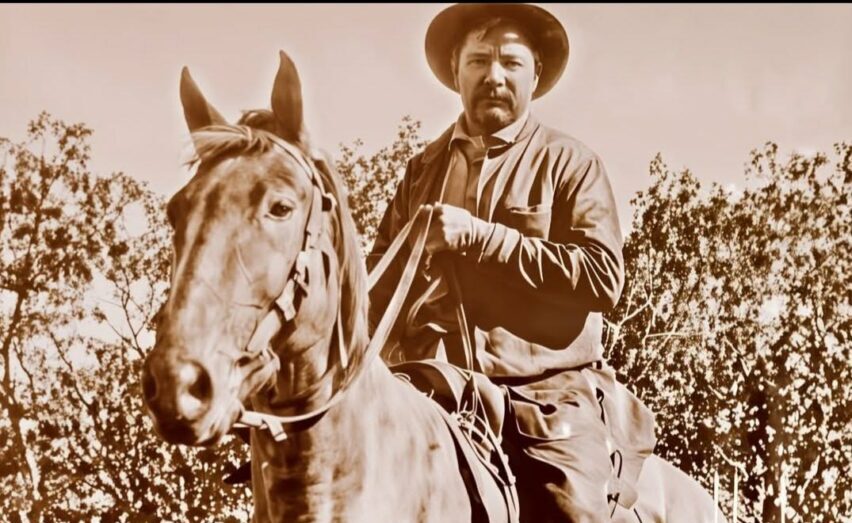
    Bob Fudge came into the world in 1862 in Lampasas County, right when Texas was still more frontier than state. The war was on, the land was unsettled, and survival wasn’t guaranteed—it was negotiated day by day.

    His early years weren’t just difficult—they were defining.

    When his family struck west with cattle and horses, chasing opportunity the way so many did, they ran straight into the reality of that country. A Comanche raid stripped them down hard. Livestock gone. Security gone. And not long after, sickness worked through what was left of the family.

    A boy doesn’t come out of that untouched.

    He learns early that nothing is promised—not land, not cattle, not even tomorrow.


    A Young Hand on a Long Trail

    By fifteen, Fudge was already hired on—no easing into it, no childhood to speak of. Just work.

    From the Hill Country, he rode north with trail herds. Not once, but again and again. That meant months in the saddle, pushing longhorns through country that changed mile by mile—cedar breaks giving way to open plains, then climbing into colder, harsher ground.

    This wasn’t the kind of work a man talked about much. You just did it.

    • Night herd under lightning storms
    • Stampedes that could wipe out a season in minutes
    • Rivers that took cattle and sometimes men

    And somewhere along those drives, he grew into himself—big, steady, and dependable. The kind of man an outfit leaned on without saying it out loud.


    From Texas to Montana – One Long Line of Dust

    Fudge didn’t just ride out of Texas—he rode all the way into the northern ranges.

    That trail—Texas to Montana—wasn’t just distance. It was transformation.

    A boy from Lampasas became a man shaped by:

    • the Llano uplift and cedar hills
    • the open plains of the Panhandle
    • the wide sky and hard winters of Montana

    He eventually worked with big northern outfits, including cattle tied to the XIT Ranch. That meant scale—huge herds, bigger country, and responsibility that went beyond just staying on your horse.

    By then, he wasn’t just along for the drive.

    He was part of what held it together.


    The Man Behind the Myth

    Physically, Fudge stood out—over six feet tall and heavy-set for the time. But that’s not what mattered most.

    What mattered was steadiness.

    Men remembered cowboys for one thing above all else:
    Could you count on them when things went sideways?

    And on a cattle drive, things always did.

    That’s where a man’s real story is told—not in gunfights or tall tales, but in whether he stayed when it got bad.

    Fudge stayed.


    Where the Song Comes In

    Bob Fudge by Colter Wall doesn’t try to turn him into something flashy. It leans into something quieter—and truer.

    The song carries the weight of distance. You can hear it in the way it moves—slow, steady, like a string of cattle strung out across country.

    It touches on the essentials:

    • a man riding north out of Texas
    • long miles behind him
    • a life built more on endurance than glory

    Wall has a way of writing that feels like it came from the ground up, not from a stage. His voice carries gravel in it, the same way a trail carries dust.

    And that fits Fudge.

    Because Fudge wasn’t a legend in the way dime novels made legends.

    He was something better—
    a working cowboy whose life was big enough that it didn’t need exaggeration.


    A Shared Truth Between Man and Music

    What ties Fudge and that song together isn’t just subject matter.

    It’s perspective.

    Neither one tries to convince you of anything. They don’t shout. They don’t decorate the truth.

    They just lay it out:

    • Life is hard
    • The work is long
    • And a man’s worth shows up in whether he keeps going

    There’s a line running through both the history and the music—a respect for the kind of life that doesn’t ask for recognition.


    Closing: What Still Rides On

    If you stand out in Lampasas County today, you won’t see the long trails the way they were. Fences cut things up. Roads cross where cattle once drifted.

    But the shape of the country is still there.

    And so is the kind of man it makes.

    Bob Fudge was one of them—a boy who lost early, worked young, and rode far enough that his story stretched clear out of Texas.

    Colter Wall just gave that kind of life a voice again.

    Not louder.

    Just clear enough that if you listen close, you can still hear the rhythm of it—

    Horse steps.
    Wind.
    And a man riding on because that’s what the day calls for.

    The book Bob Fudge: Texas Trail Driver, Montana — Wyoming Cowboy 1862 – 1933 is available from Four Horsemen LLC, bobfudge.com

    Lem Lewis

    210-275-3551

    lem@theranchbroker.com
  • Buying a Ranch in Burnet County, Texas

    What Serious Buyers Need To Know

    1. Water Is Everything

    In Central Texas ranch property, water determines value.

    Ask:

    • Is there a well? How deep?
    • What is the production rate (GPM)?
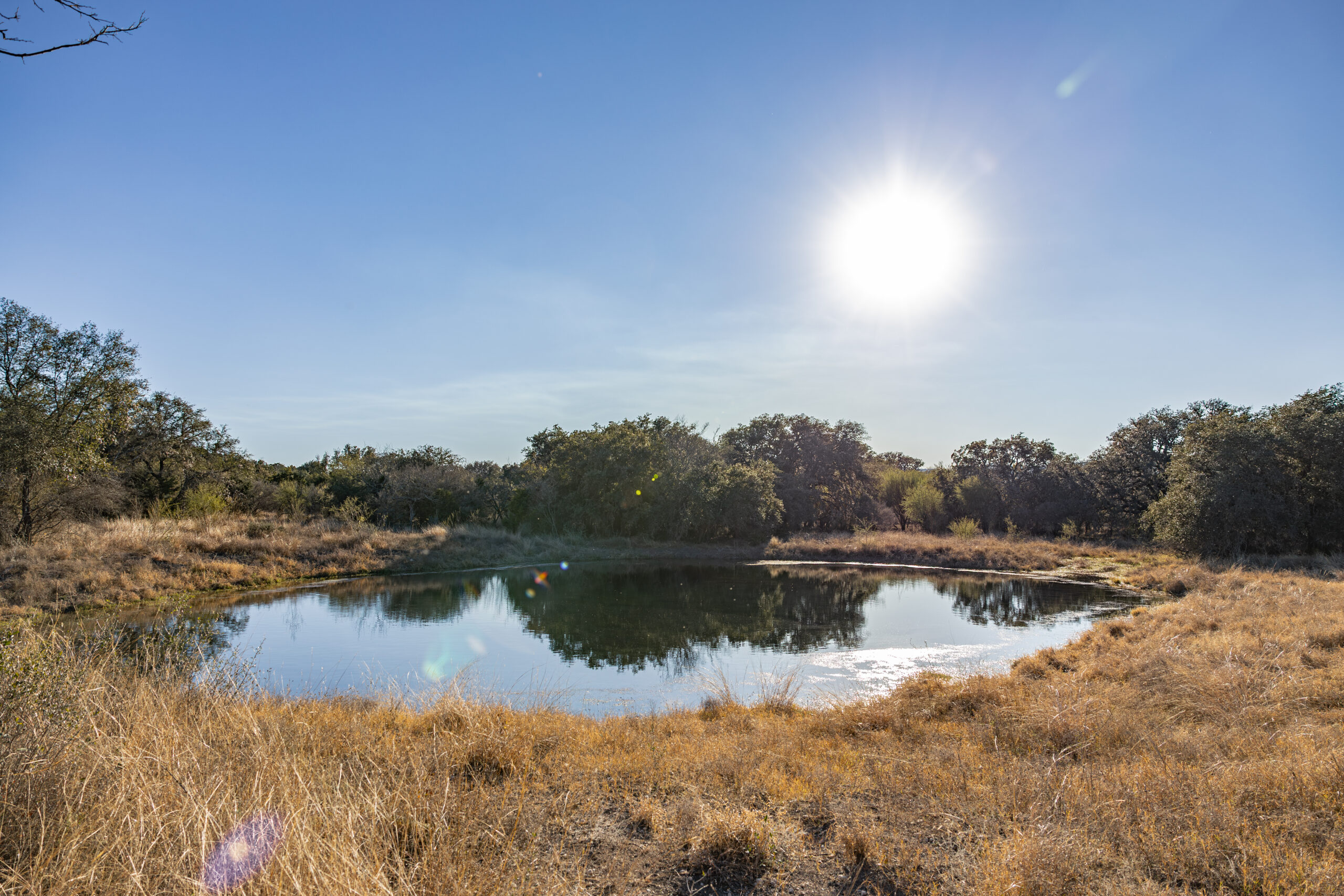
    • Are there stock tanks? Are they seasonal?
    • Is the property in a groundwater district?

    A ranch without dependable water isn’t a ranch — it’s scenery.


    2. Understand the Ag Exemption

    Most ranch land for sale in Burnet County carries an agricultural exemption.

    You need to know:

    • Is it currently qualified?
    • How many animal units are required?
    • Has the use been consistent for the past 5 years?

    Losing an ag exemption can dramatically increase property taxes. That’s not a small detail.


    3. Grazing and Carrying Capacity

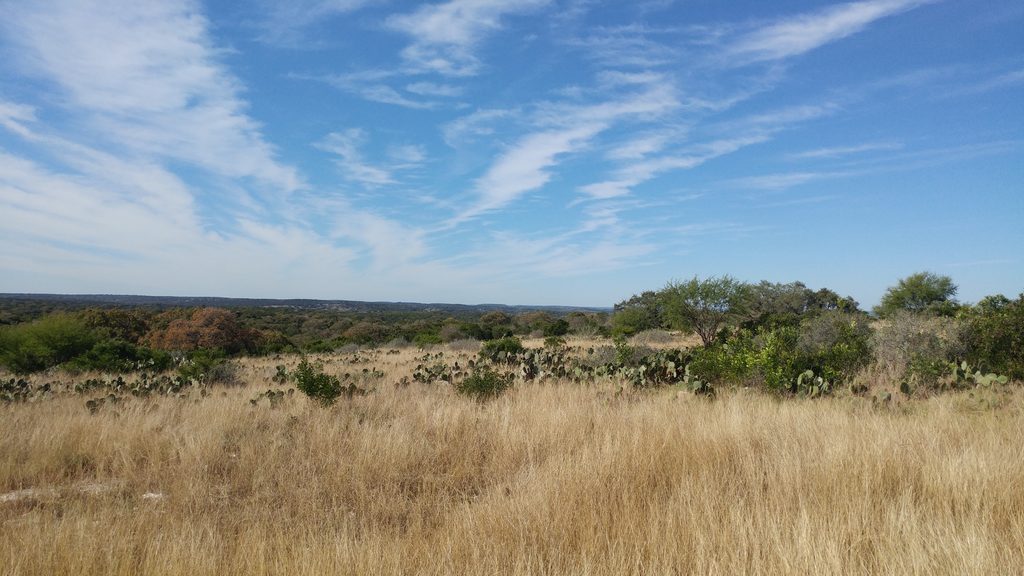
    This isn’t East Texas. Grass matters.

    Burnet County properties vary from:

    • Improved pasture
    • Native grass
    • Heavy cedar cover
    • Rockier hill country terrain

    Carrying capacity depends on:

    • Rainfall
    • Soil type
    • Brush management history

    If you plan to run cattle, the land must support it.


    4. Access and Improvements

    Buyers often focus on acreage — but access drives long-term value.

    Look for:

    • Paved frontage vs. deeded easement
    • Fencing condition
    • Working pens or barns
    • Power access

    Good improvements save real money.


    5. Know the Market

    The market for Texas Hill Country ranch property is steady, but quality tracts move quickly.

    Well-watered, well-located ranches near:

    • Burnet
    • Bertram
    • Lampasas line
    • Buchanan Lake area

    … tend to draw strong buyer interest.


    If you’re looking at ranch land for sale in Burnet County, don’t just buy acreage. Buy usability.

    Lem Lewis

    210-275-3551

    lem@theranchbroker.com
© 2016  ALL RIGHTS RESERVED – The Ranch Broker