What Serious Buyers Need To Know
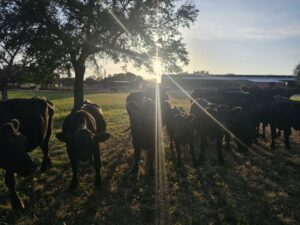
What is 1-d-1 Open Space Valuation?
Under Texas law, qualifying land is taxed based on its productivity value—not market value. Texas Comptroller of Public Accounts explains that this means land is appraised on its ability to produce agricultural goods like cattle, hay, or crops, which is typically far lower than what the land would sell for on the open market. (Texas Comptroller)
To qualify, land must generally:
- Be used for agriculture 5 of the past 7 years
- Meet local “intensity standards” (stocking rates, production levels, etc.) (LegalClarity)
In the Hill Country, that usually means:
- cattle grazing
- hay production
- goat or sheep operations
This valuation keeps many ranches financially viable—without it, taxes could exceed what the land produces.

What is Wildlife Valuation?
Wildlife valuation is not a separate exemption—it’s actually a type of 1-d-1 valuation.
In 1995, Texas passed a constitutional amendment allowing landowners to switch from traditional ag use to wildlife management while keeping the same tax benefits. (wildlifetaxvaluation.com)
To qualify, the land must already be under 1-d-1 ag valuation before converting. (Texas Parks & Wildlife Department)
Instead of running livestock, the landowner manages for native species like:
- whitetail deer
- turkey
- quail
2. Why It Matters in the Hill Country
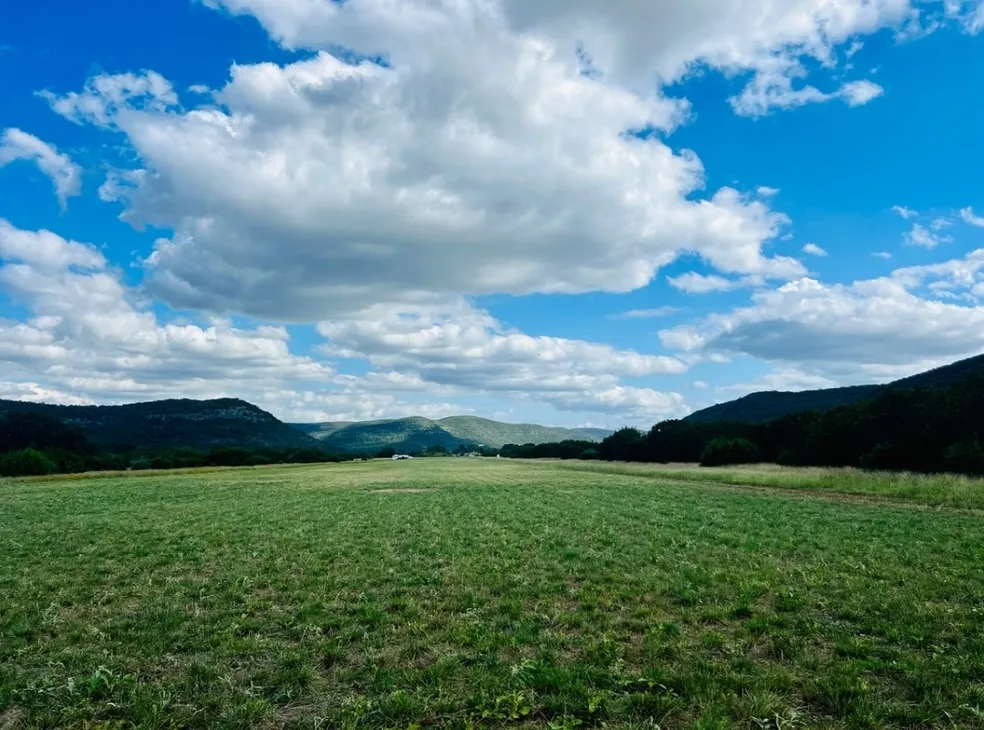
In places like Burnet, Lampasas, and San Saba counties, land values have climbed sharply. Without 1-d-1 valuation, taxes would be based on full market value—which can be unsustainable.
This system:
- keeps ranch land from being forced into development
- encourages responsible land stewardship
- allows smaller landowners to hold property long-term
As Texas Parks and Wildlife Department notes, wildlife valuation also helps preserve habitat and native species while maintaining tax relief. (Texas Parks & Wildlife Department)
What Does “Wildlife Management” Require?
This is where many people get tripped up—it’s not passive.
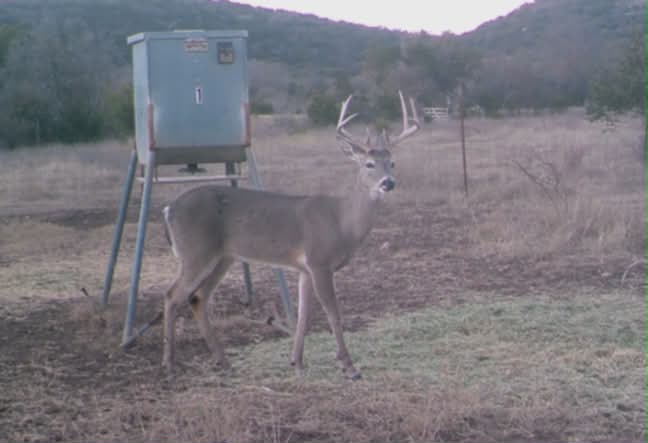
Landowners must actively perform at least 3 of 7 approved practices, including:
- habitat control (brush management, grazing plans)
- supplemental water or feeding
- predator control
- population monitoring (Texas Parks & Wildlife Department)
You’ll also need a written wildlife management plan filed with your county appraisal district.
Bottom Line
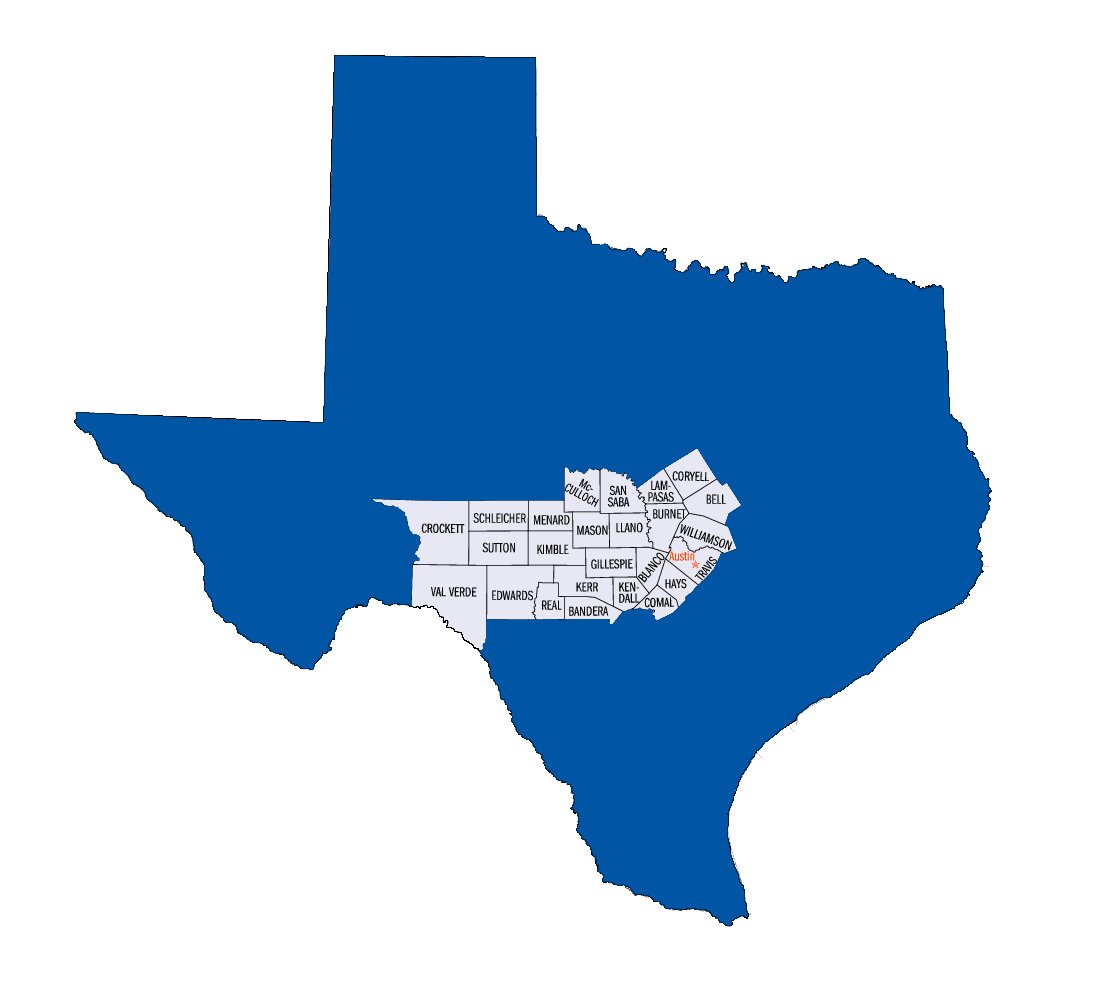
1-d-1 valuation—whether through traditional agriculture or wildlife management—is one of the most important tools for landowners in the Texas Hill Country.
But it comes with responsibility:
- you must meet usage requirements
- document your practices
- and stay consistent year after year
Done right, it allows you to hold land, improve it, and pass it on—without being taxed out of it.
If you’re looking at ranch land for sale in The Texas Hill County, don’t just buy acreage. Buy usability.

Lem Lewis
210-275-3551
lem@theranchbroker.com
